The Numbers — Year 1 Content Performance
| Metric | Target | Actual |
|---|
| Articles published | 96 | 104 |
| Monthly organic traffic (Month 12) | 5,000 | 6,200 |
| Total organic visitors (Year 1) | 35,000 | 42,000 |
| Leads from blog | 500 | 680 |
| Clients acquired from blog content | 25 | 31 |
| Average time on page | 3 min | 4.2 min |
| Top-performing article monthly traffic | 800 | 1,100 |
Top 10 Performing Articles (by Traffic)
- D2C Unit Economics Guide — 1,100 monthly visitors. The one other sites link back to most.
- RTO Reduction Playbook — 950 monthly. Ranks hard for the ‘reduce RTO’ searches.
- Filter Fake COD Orders — 880 monthly. It fixes one specific, urgent problem.
- Meta Ads Complete Playbook — 820 monthly. Pillar piece, held together with strong internal linking.
- Best Shopify Apps for Indian Stores — 750 monthly. Readers here are close to buying.
- Shipping Aggregators Comparison — 700 monthly. Comparison pieces convert well.
- GST for Ecommerce Sellers — 650 monthly. Compliance topics pull steady demand.
- First 100 Orders Guide — 600 monthly. It brings in first-time founders.
- WhatsApp Marketing Guide — 580 monthly. A growing topic with less competition.
- Amazon Seller Fees Guide — 550 monthly. High search volume.
What Worked
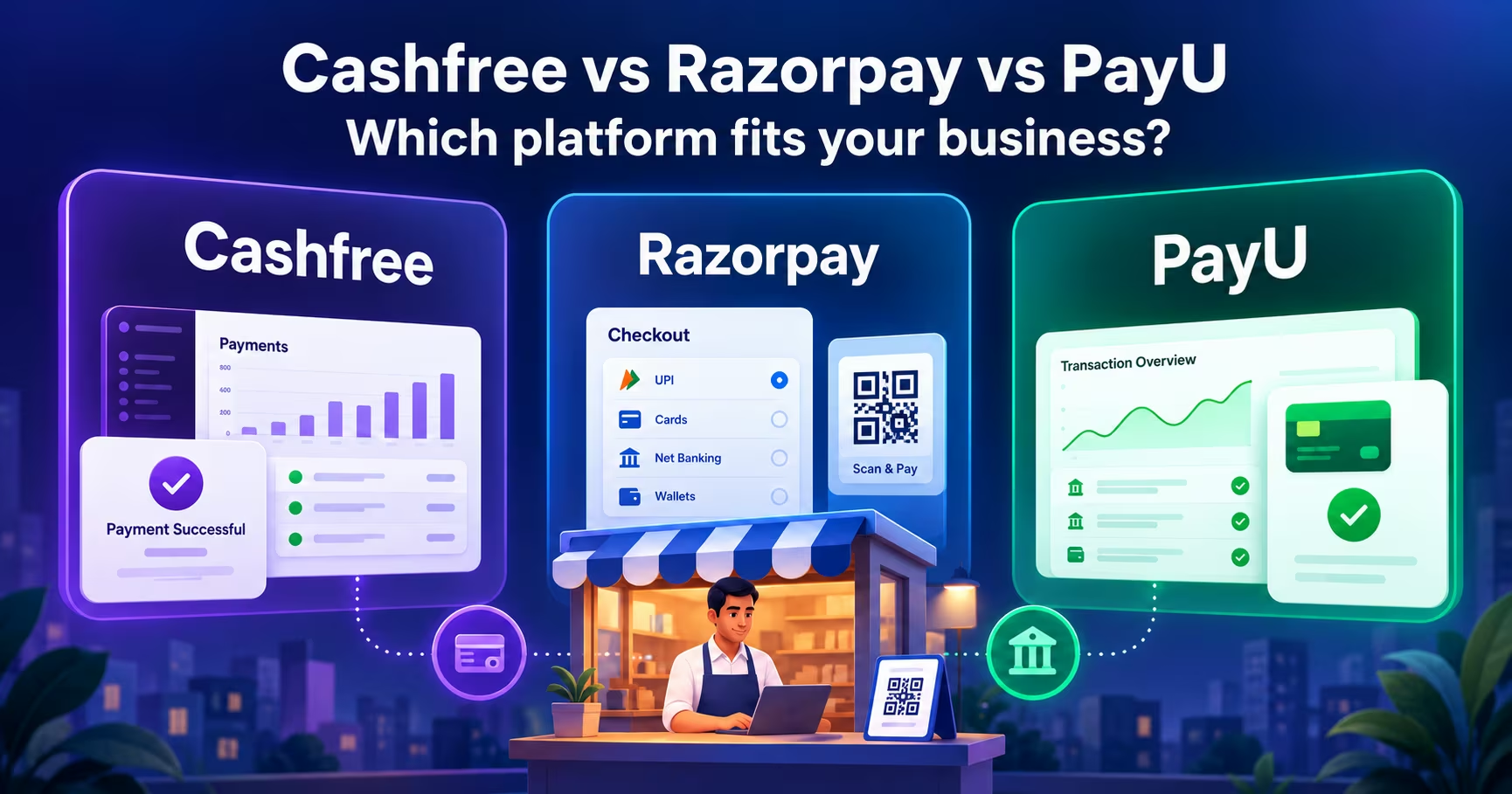
- Comparison and ‘vs’ content — ‘Razorpay vs Cashfree’, ‘Google vs Meta’, ‘Shopify vs WooCommerce’ rank and convert, month after month.
- Problem-specific how-to guides — ‘How to filter fake COD orders’ fixes one real pain. These convert the best — 5-8% of readers turn into leads.
- Data-driven reports — our ‘State of Indian D2C’ report got shared 200+ times and earned 50+ backlinks.
- Case studies with real numbers — showing the real numbers builds trust. Case studies convert readers to leads at 3x the rate of how-to articles.
What Flopped
- Generic ‘complete guide’ articles with no real Indian context — they went up against international content and lost.
- Podcast episode blog posts — I published show notes for 12 podcast episodes. They average 40/month. Not worth the effort.
- Trend prediction posts — shipped too early, so they never ranked for the timely searches.
- City pages — early numbers are weak, 50-100 visitors/month each. But these are 6-12 month plays, too early to call them failures.
Year 2 Strategy
- Double down on what works — more comparison pieces, more problem-specific guides, more case studies with numbers.
- Update Year 1 content — refresh the top 20 articles with 2027 data, new screenshots, updated recommendations.
- Regional language experiment — publish the top 10 articles in Hindi, and test whether Hindi search traffic converts.
- Video content — build YouTube companion videos for the top 20 articles, embedded in the posts for engagement.
- Gated content — build 3-4 downloadable templates — a unit economics calculator, an ad budget planner — as lead magnets.
The Bottom Line
Content marketing works for Indian D2C — but it’s a 6-12 month build, not a quick win. Our first real organic leads landed in month 5. By month 12, the blog was our #1 lead source, ahead of paid ads.
If you run a D2C brand and you’re not investing in content, you’re leaving money on the table — money that compounds while ad costs keep climbing.
Build Your Content Strategy
At Growww Tech, my team and I build content marketing strategies for Indian D2C brands. Let’s build your content engine.
Related reading: