Why I Built This Launch Checklist
In the launches I’ve run at Growww Tech, I keep seeing Indian D2C brands go live with the same critical gaps:
- No GST registration → I’ve seen this alone block a brand from marketplaces
- No return policy → I’ve had founders call me over the complaints and legal risk this creates
- No email flows set up → in my experience, that’s 15-20% of revenue gone from day one
- Wrong shipping partner → slow delivery, high RTO
- No analytics → I can’t tell you what’s working without it
I built this checklist to close exactly those gaps. My team and I run it on every brand we launch — work through it before your launch date.
Section 1: Legal & Compliance (10 Points)
- ☐ Register your business (Pvt Ltd, LLP, or Proprietorship)
- ☐ Get GST registration
- ☐ Register trademark (brand name + logo) — I tell every founder to apply now, it takes 12-18 months
- ☐ Get FSSAI license (if selling food products)
- ☐ Draft Terms & Conditions for your website
- ☐ Draft Privacy Policy (DPDP Act compliant)
- ☐ Draft Return & Refund Policy
- ☐ Draft Shipping Policy with estimated delivery times
- ☐ Set up business bank account
- ☐ Register for MSME/Udyam — I make every brand do this, it opens up government schemes and easier credit
Section 2: Product & Pricing (8 Points)
- ☐ Final product photography (minimum 5 angles + lifestyle shot per product)
- ☐ Product descriptions written (features, benefits, materials, dimensions)
- ☐ Pricing finalized with unit economics calculated (I always point founders to our unit economics guide)
- ☐ Size chart created (if applicable) with measurements in inches AND cm
- ☐ Packaging designed and ordered (branded boxes, tissue paper, thank you card)
- ☐ HSN codes assigned to all products (correct GST classification)
- ☐ Inventory stocked (minimum 30 days of projected demand)
- ☐ Quality check process documented (what to check before shipping each order)
Section 3: Website Setup (12 Points)
- ☐ Shopify store set up (or WooCommerce if preferred — my team builds on Shopify, but this checklist works either way)
- ☐ Custom domain connected (yourbrand.com)
- ☐ SSL certificate active (https://)
- ☐ All products listed with images, descriptions, and pricing
- ☐ Homepage designed with clear value proposition and CTA
- ☐ Mobile responsiveness tested on a mid-range Android phone
- ☐ Checkout flow tested end-to-end — I make every founder place a test order themselves before we go live
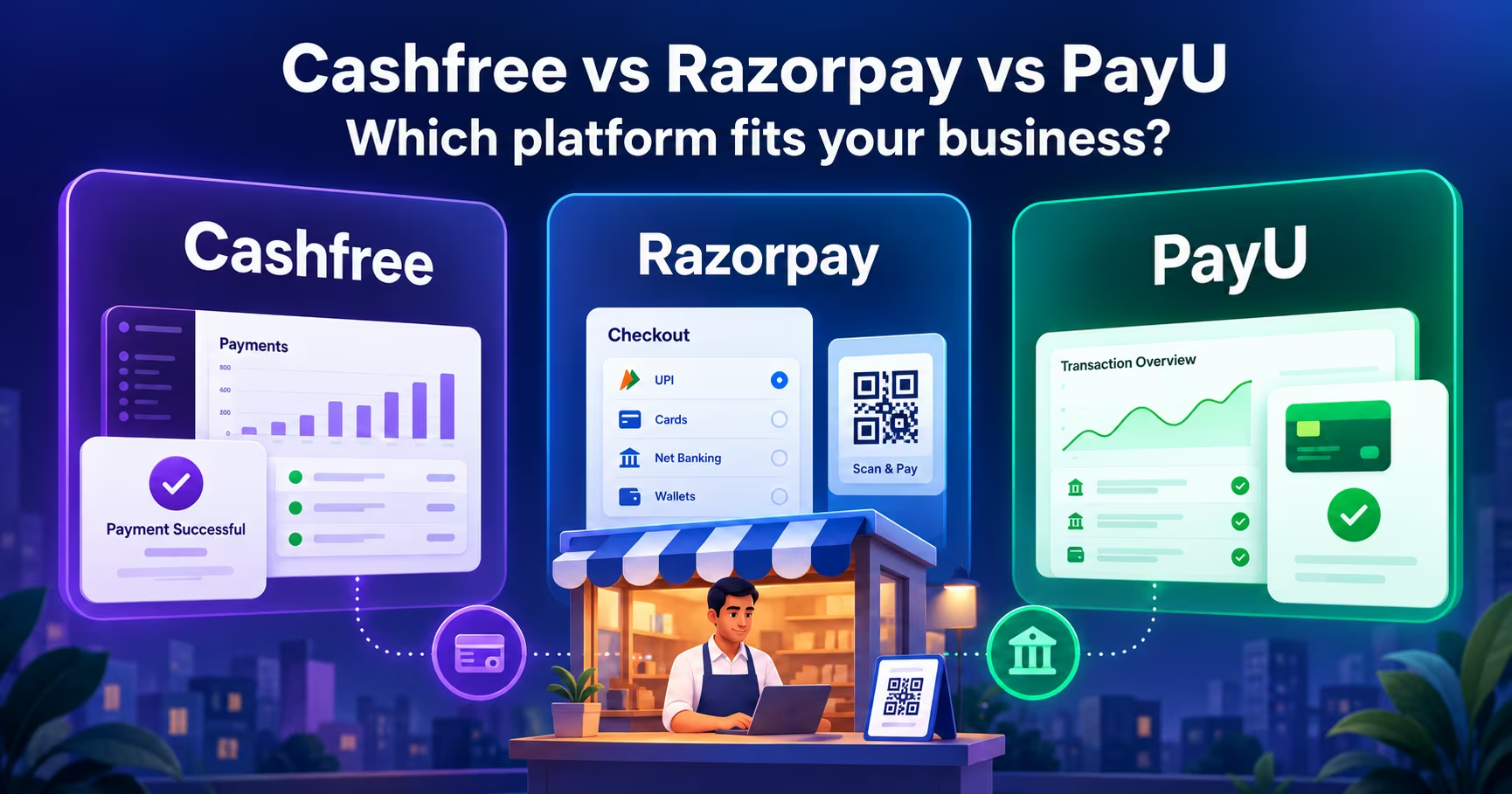
- ☐ Payment gateway connected (e.g. Razorpay, PhonePe, Easebuzz, or Cashfree)
- ☐ UPI enabled and set as default payment method
- ☐ COD enabled with OTP verification
- ☐ Page speed under 3 seconds on mobile (test with Google PageSpeed Insights)
- ☐ Contact page with WhatsApp link, email, and phone number
Section 4: Marketing Setup (10 Points)
- ☐ Meta (Facebook/Instagram) Business account created
- ☐ Meta Pixel installed on website + Conversions API connected
- ☐ Google Analytics 4 installed with ecommerce events configured
- ☐ Google Ads account created + Google Tag installed
- ☐ WhatsApp Business set up with automated welcome message
- ☐ Email marketing tool connected (Klaviyo or Omnisend)
- ☐ Welcome email flow created (3-email sequence — the first thing I check when a launch underperforms)
- ☐ Abandoned cart email/WhatsApp flow created
- ☐ 10 initial ad creatives ready (mix of video and static)
- ☐ UTM parameters standardized for all marketing links
Section 5: Logistics & Operations (10 Points)
- ☐ Shipping partner selected (Shiprocket or Delhivery for starters)
- ☐ Shipping rates configured (free above threshold + flat rate below)
- ☐ Return process defined (how customer initiates, who picks up, refund timeline)
- ☐ Warehouse/storage space organized (even if it’s a room in your home)
- ☐ Packaging materials stocked (boxes, bubble wrap, tape, labels)
- ☐ Label printer set up (or handwritten labels for first 50 orders)
- ☐ Order notification flow: customer places order → you get notified → pick-pack-ship
- ☐ Test order shipped to yourself — I never let a brand skip this: verify packaging quality, delivery time, tracking accuracy
- ☐ Customer support channel defined (WhatsApp, email, or both)
- ☐ Returns handling process: receive return → QC check → restock or write off → process refund
Ready to Launch?
I tell every founder to work through this checklist over 2-4 weeks. Don’t rush the launch with gaps — a poor first impression is hard to recover from, and I’ve watched it happen.
At Growww Tech, my team and I help D2C brands launch right — from website setup to marketing strategy to operations. Let’s plan your launch.
Related reading: